Hello everyone,
I'm incredibly excited to share my learning with you guys that In the ever-evolving world of technology, the demand for faster, more efficient software delivery has never been greater. Enter DevOps, a revolutionary approach that bridges the gap between development and operations, transforming how organizations build, deploy, and manage applications.
If you're passionate about DevOps, feel free to connect and share your experiences! I'm looking to learn and grow in the dynamic field of DevOps.
In this blog, lets dive in the world of DevOps and learned about
What is DevOps:
What is Automation, Scaling, and Infrastructure:
Why DevOps is Important:
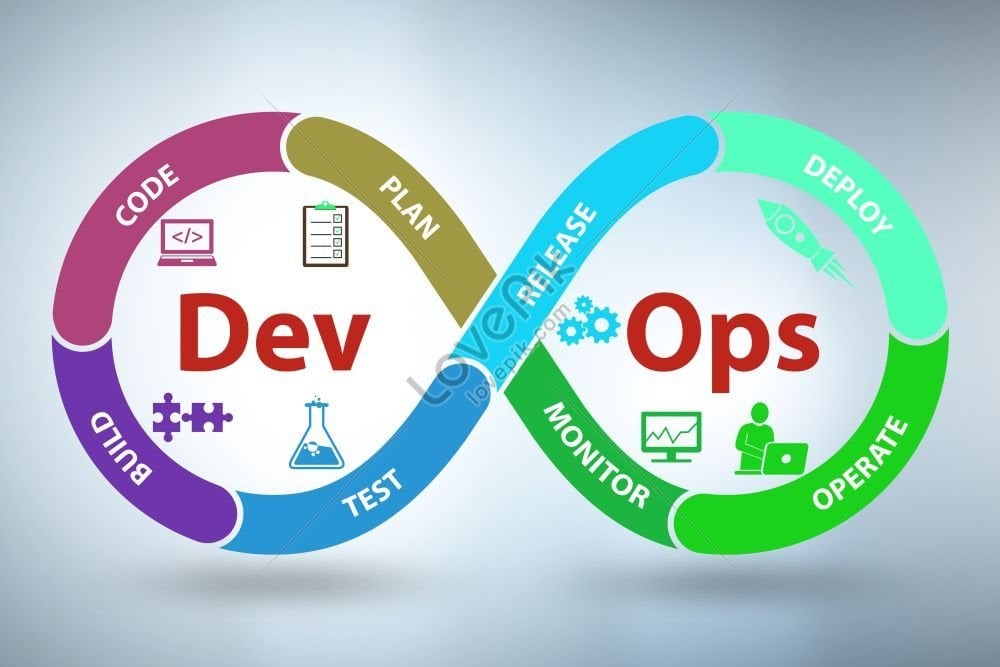
DevOps:- It is a Practice or culture that we adopt in the Organization that would increase Organizations ability to deliver application.
DevOps is practice of improving your application delivery, By making your delivery quicker, by ensuring that there is a proper Automation with the application quality that is maintained and ensuring there is continuous Monitoring and continuous Testing.
AUTOMATION:-
Automation means using technology to perform tasks without human intervention. It's like having smart robots or programs that can do repetitive and time-consuming jobs for you. In the context of software development and IT operations (often referred to as DevOps), automation helps in building, testing, and deploying software more efficiently.
Automation is a fundamental aspect of DevOps that drives efficiency, consistency, and reliability across the software development lifecycle. By automating tasks such as integration, testing, deployment, and infrastructure management, organizations can achieve faster delivery times, higher quality products, and improved collaboration between teams. Embracing automation is essential for any organization looking to stay competitive in today's fast-paced digital landscape.
SCALING:-
Scaling in DevOps refers to the ability to increase or decrease the capacity of IT resources to handle varying workloads efficiently. This ensures that applications and services can meet the demand without performance degradation.
Types of Scaling
Vertical Scaling (Scaling Up)
- Adding more power (CPU, RAM, storage) to an existing server or machine.
Horizontal Scaling (Scaling Out)
- Adding more servers or machines to distribute the load across multiple instances.
INFRASTRUCTURE:-
Infrastructure in DevOps refers to the underlying physical and virtual resources that support the development, deployment, and operation of applications and services. This includes servers, storage, networking equipment, and the software that manages these resources. The goal of managing infrastructure in a DevOps context is to ensure that it is efficient, scalable, and capable of supporting rapid development and deployment cycles.
IMPORTANCE OF DevOps:-
DevOps is crucial for modern software development and IT operations for several reasons such as..
Faster Time to Market
- Accelerated Delivery: DevOps practices like continuous integration (CI) and continuous deployment (CD) enable faster development cycles and quicker releases.
Higher Quality Software
- Automated Testing: CI with automated testing ensures rigorous testing of code changes, reducing bugs and improving software quality.
Enhanced Security
- Proactive Measures: Continuous monitoring and automated security checks help quickly identify and mitigate vulnerabilities.
Increased Efficiency
- Task Automation: Automating repetitive tasks like builds, tests, and deployments saves time and reduces human error.
Scalability and Flexibility
- Dynamic Scaling: DevOps practices support scalable infrastructure, allowing organizations to efficiently handle varying loads.
Cost Efficiency
- Reduced Downtime: Automated deployments and proactive monitoring reduce downtime, leading to cost savings.
Comments
Join the discussionNo comments yet. Be the first to comment.